A furious social media outburst from Donald Trump has exposed a growing and uncomfortable reality: much of the world is no longer willing to blindly follow the United States into another Middle East conflict.
In a series of posts that quickly circulated globally, Trump lashed out at traditional allies—including Australia—openly venting his anger at their refusal to fall in line. The tone wasn’t diplomatic. It wasn’t measured. It was raw frustration from a leader finding that the usual coalition of support is no longer guaranteed.
And the reason is simple.
Many nations just aren’t buying it.
For decades, the world has been told that Iran is on the brink of developing nuclear weapons. That warning has been repeated so often it has almost become background noise. But after years of claims, shifting timelines and no clear, universally accepted evidence of an imminent threat, governments are now asking a question that once went unspoken: Where is the urgency?
The shadow of the Iraq War looms large. The “weapons of mass destruction” narrative—used to justify one of the most controversial invasions in modern history—has left a permanent scar on international trust. This time, many countries appear unwilling to commit troops, resources or political capital based on claims they fear could once again unravel under scrutiny.
While political leaders hesitate, the situation on the ground is rapidly deteriorating.
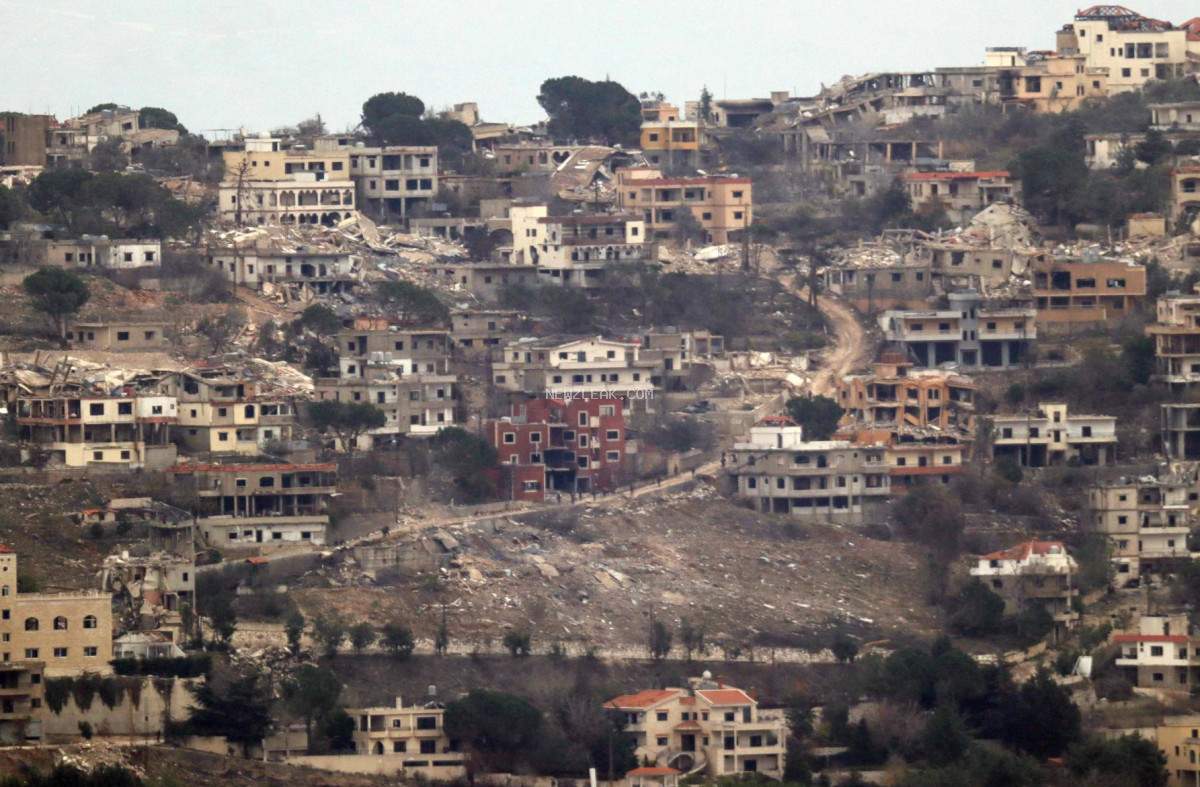
In Lebanon, entire villages are reportedly being levelled. Homes flattened. Infrastructure reduced to rubble. The scenes emerging are drawing direct comparisons to Israel’s operations in Gaza, where overwhelming force has been used in densely populated areas. Critics argue the same playbook is now being rolled out across the border, with devastating consequences for civilian populations.
At the same time, Trump’s escalating rhetoric has only intensified global concern. His suggestion that civilian infrastructure could be targeted within the next 24 hours has sparked alarm among legal experts and human rights observers, raising serious questions about whether the boundaries of international law are being tested—or outright ignored.
And yet, the global reaction isn’t unfolding the way Washington might have expected.
Iran’s disruption of the Strait of Hormuz—normally the kind of move that would unite the international community in outrage—has instead been met with a more complicated response. While the act itself is widely seen as provocative, attention is increasingly shifting to the bigger picture.
How did it get to this?
More pointedly—was this avoidable?
There is a growing sense among both governments and the public that this conflict risks spiralling into something far larger, without a clear justification that holds up under scrutiny. The idea that tensions may have been pushed to boiling point—intentionally or otherwise—is gaining traction.
Meanwhile, the economic fallout is already beginning to bite. Energy prices are climbing, supply chains are tightening, and fears of a global economic shock are growing by the day. What happens in the Middle East no longer stays in the Middle East—and this time, the ripple effects could be severe.
Trump’s outburst may have been aimed at rallying support.
Instead, it has highlighted just how isolated that position is becoming.
Because this time, the world isn’t just asking who the enemy is.
It’s asking whether the war itself makes sense.
And increasingly, the answer appears to be no.